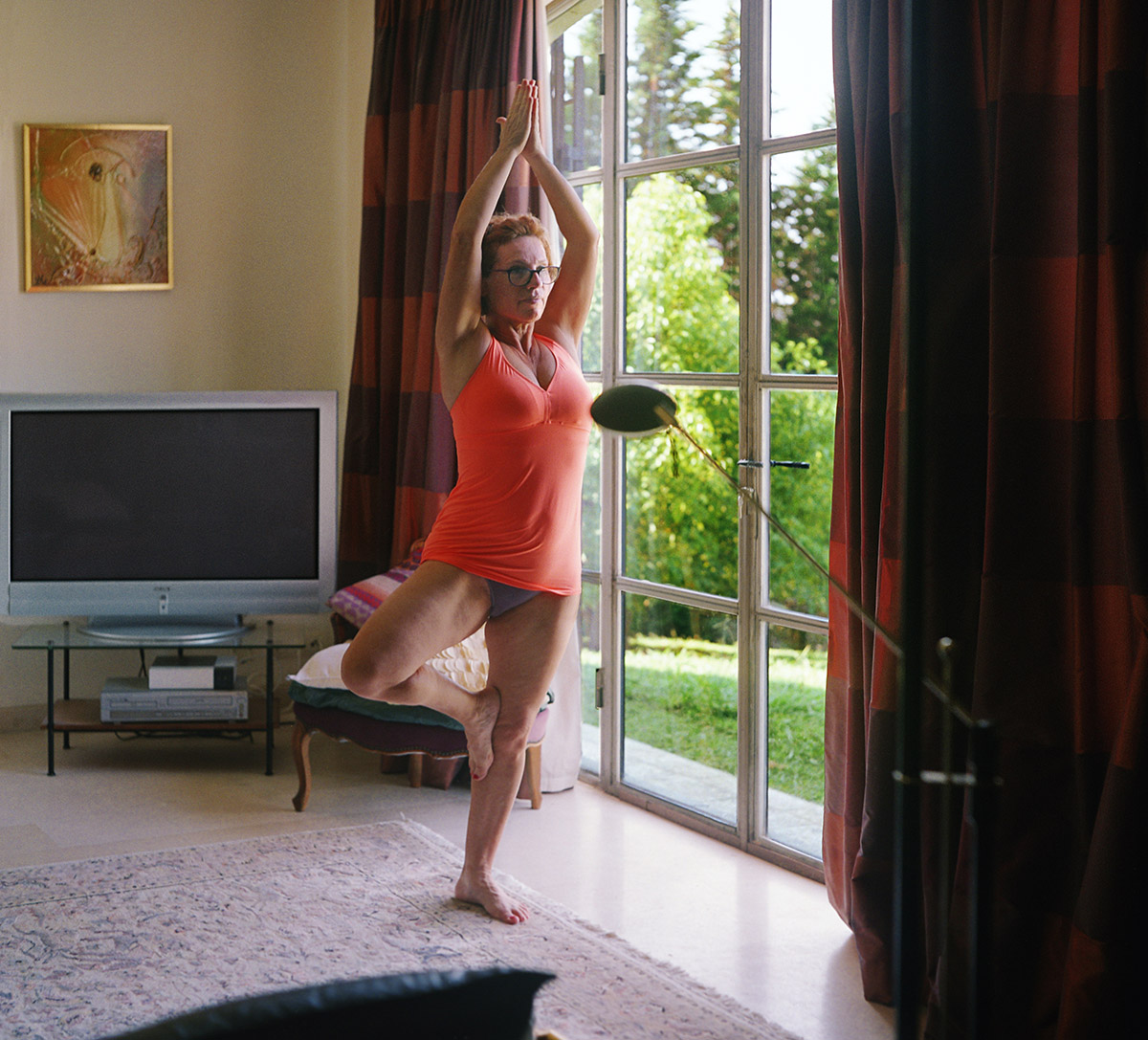
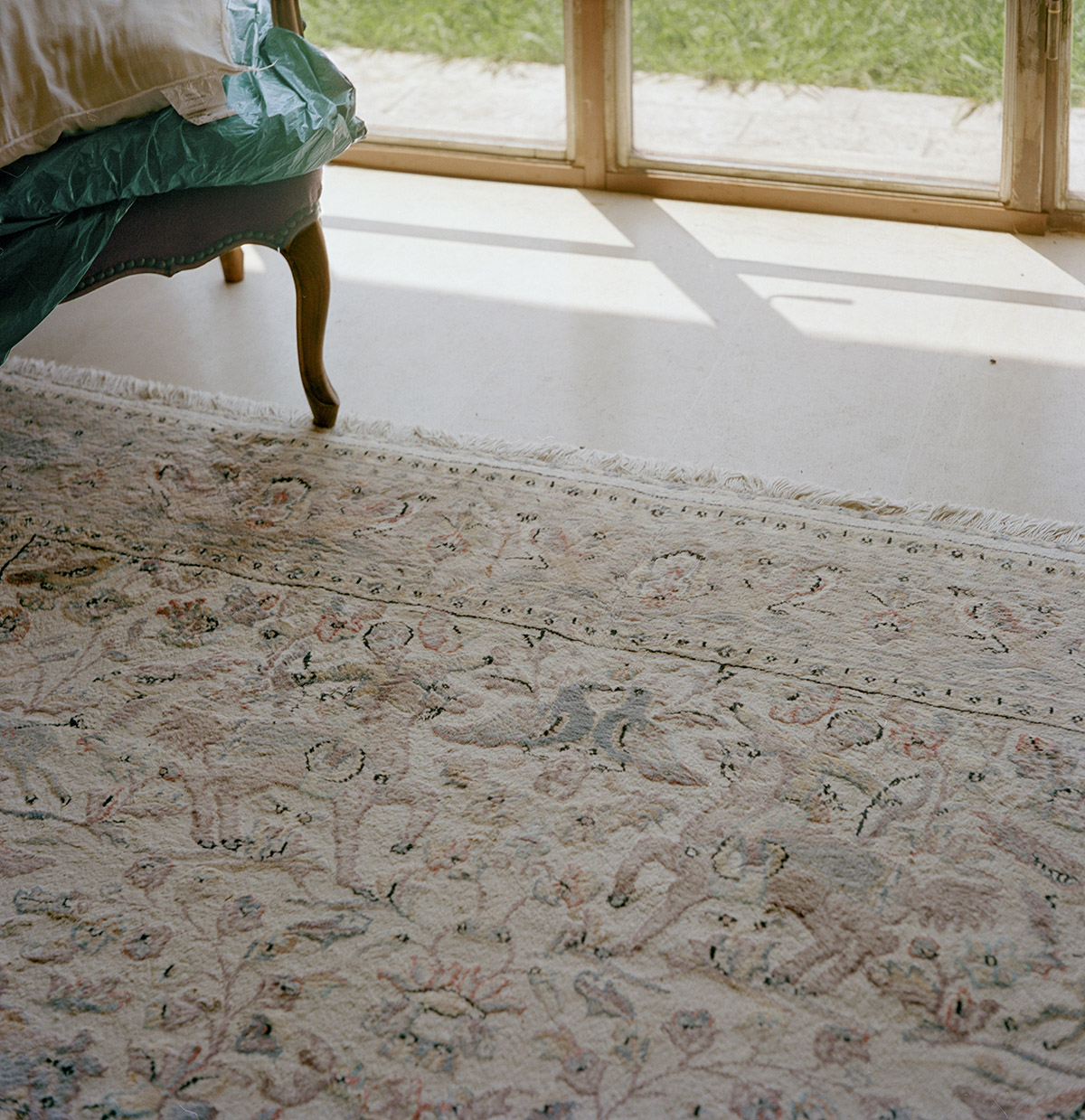
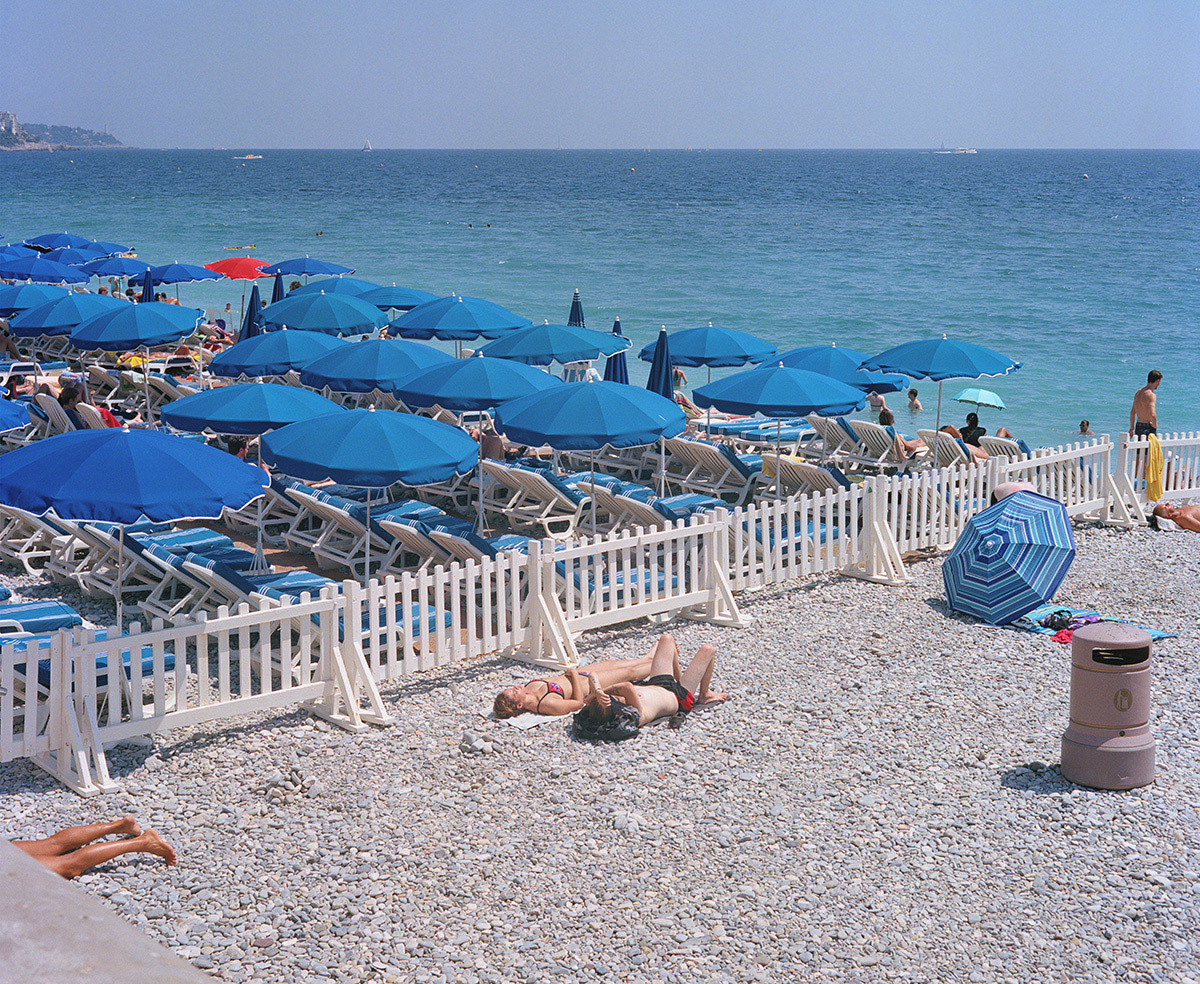
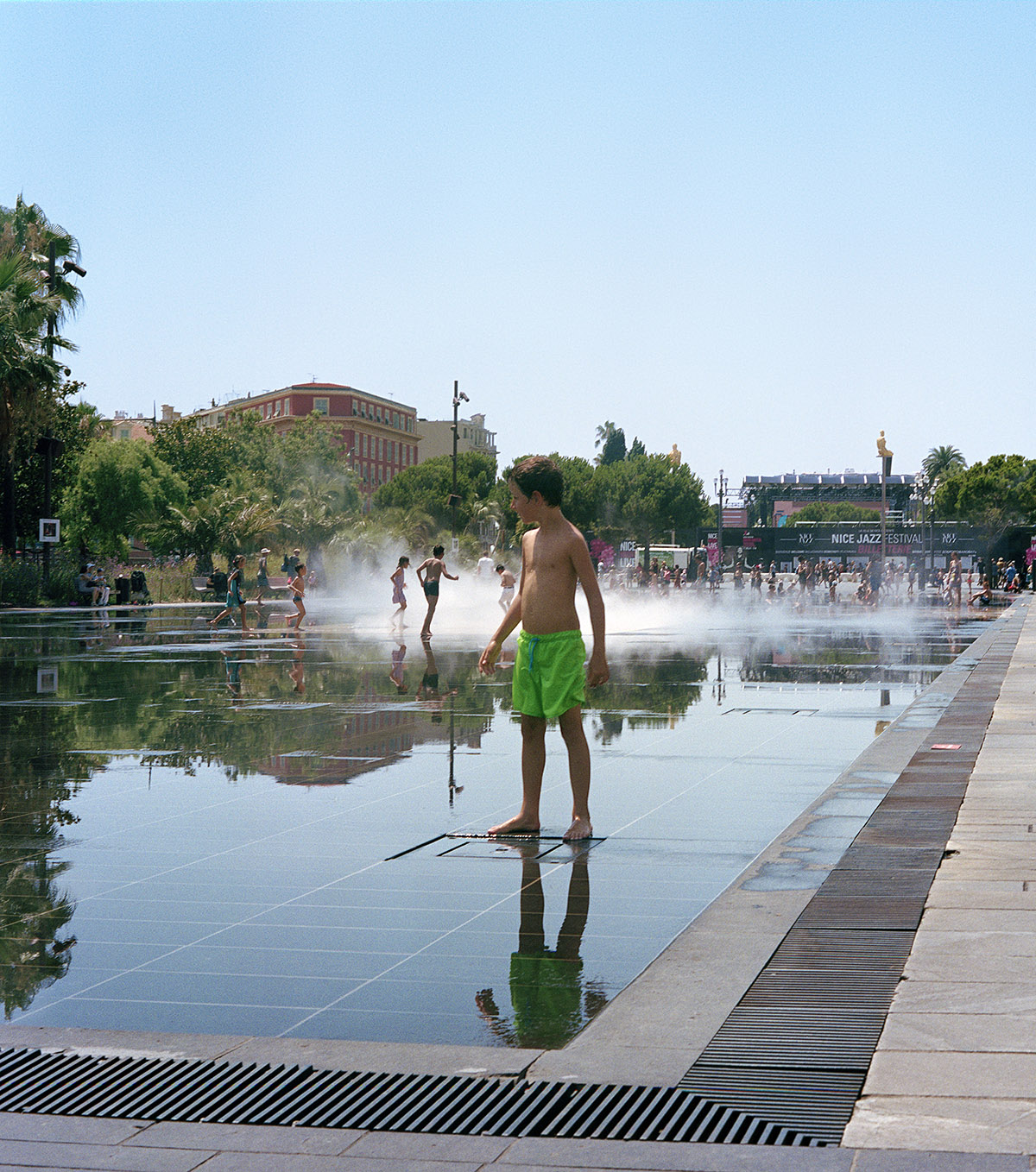
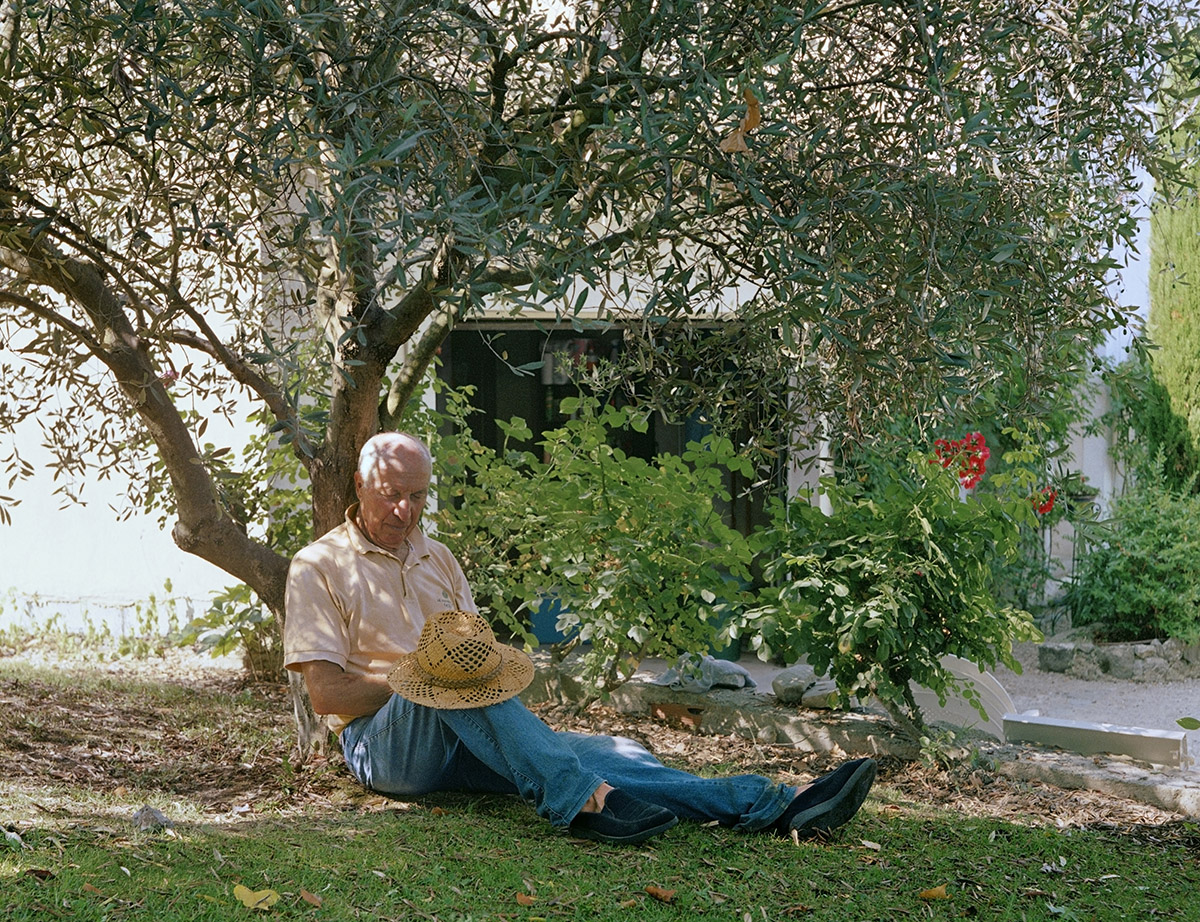
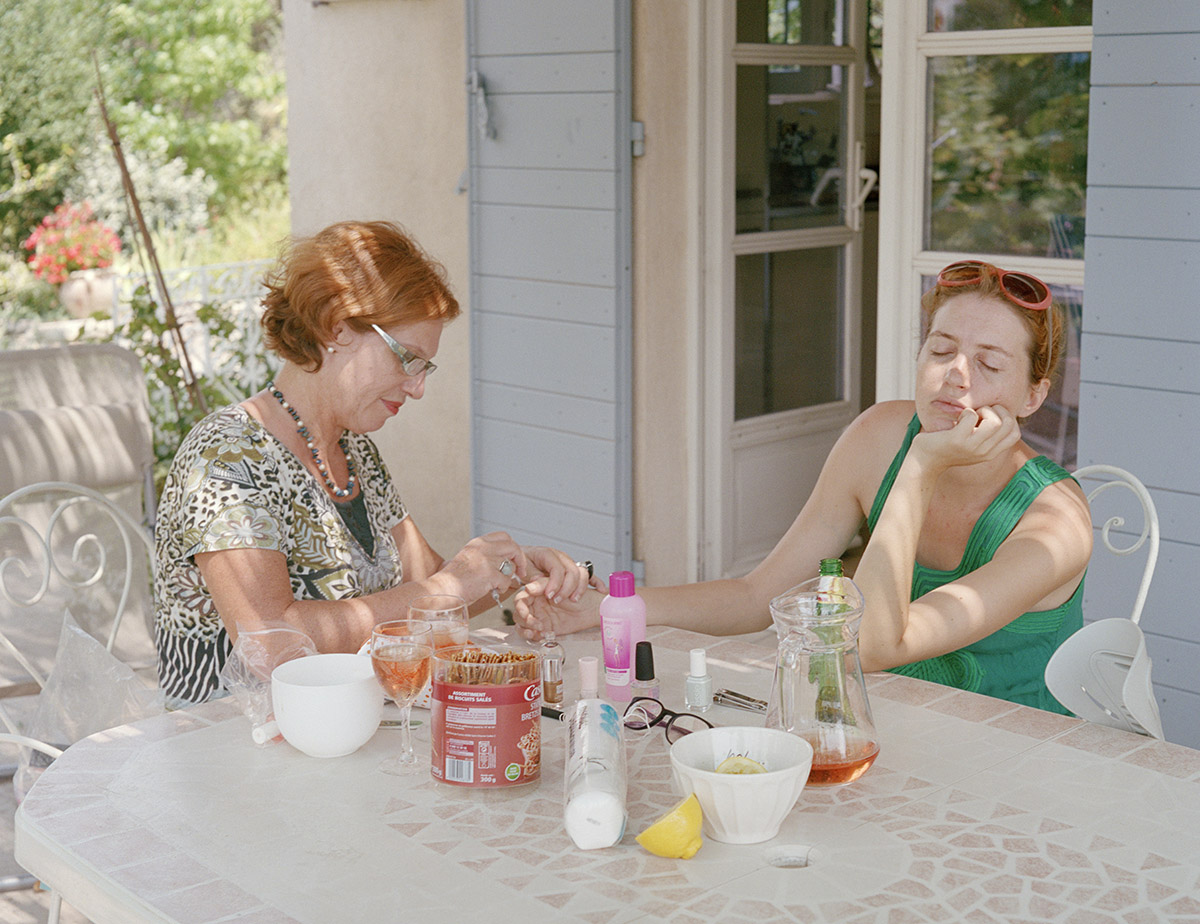
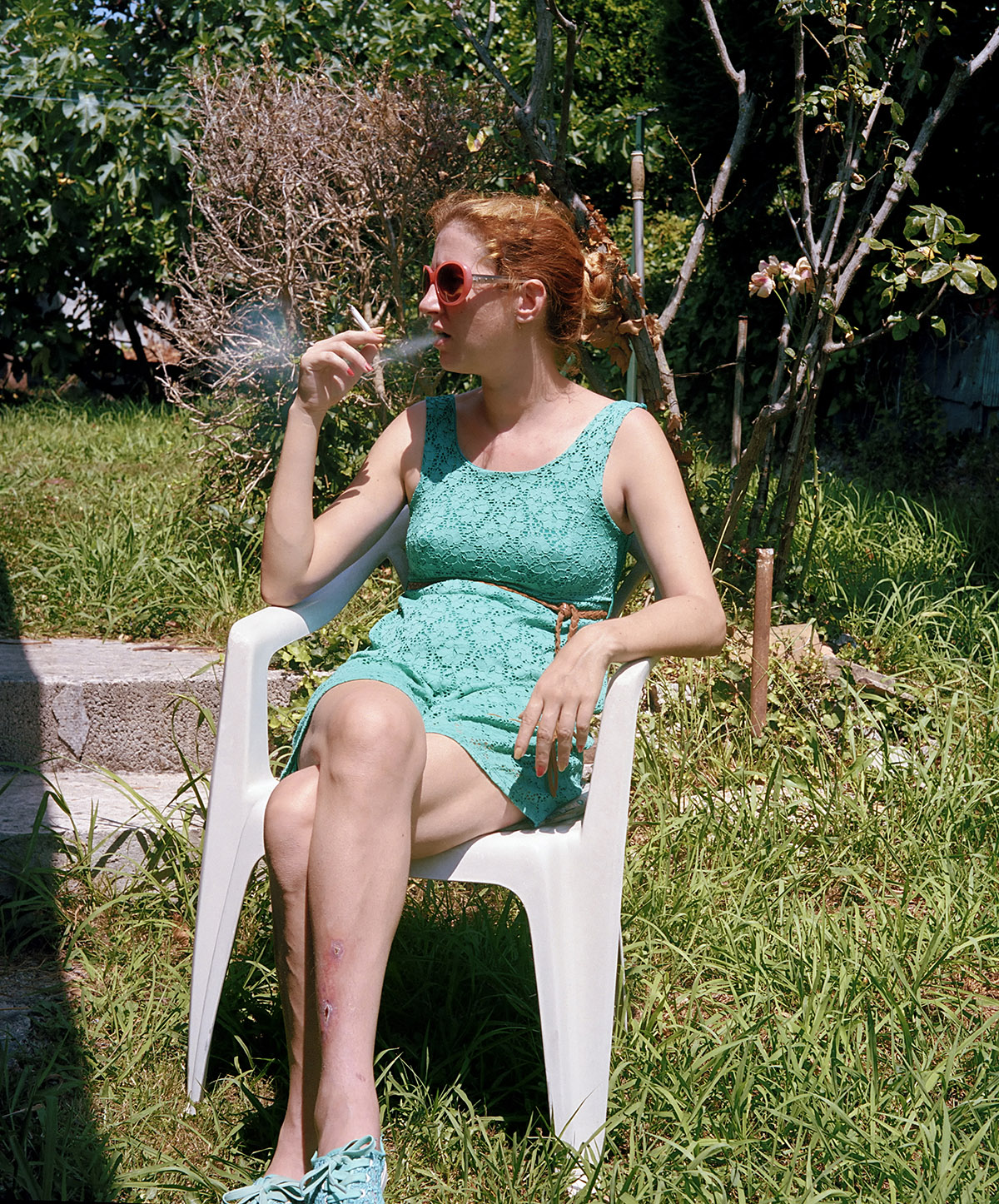
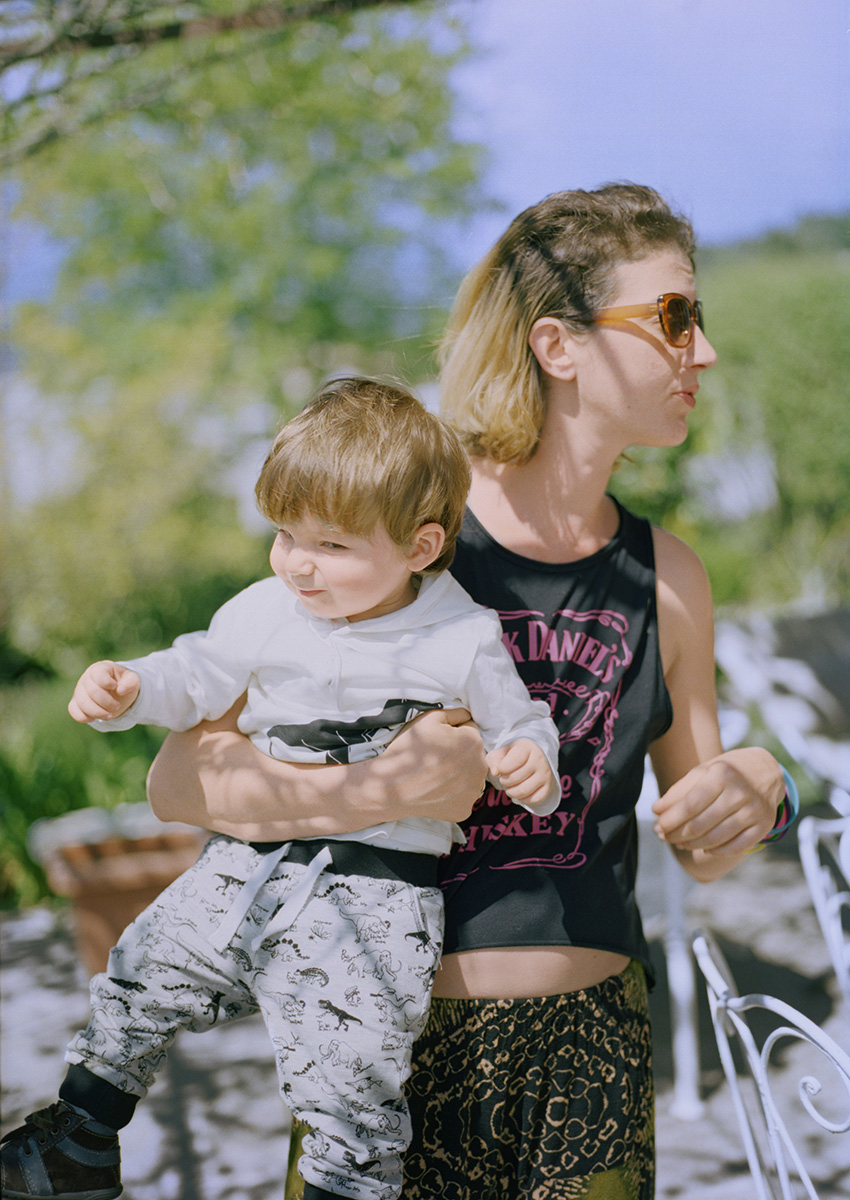
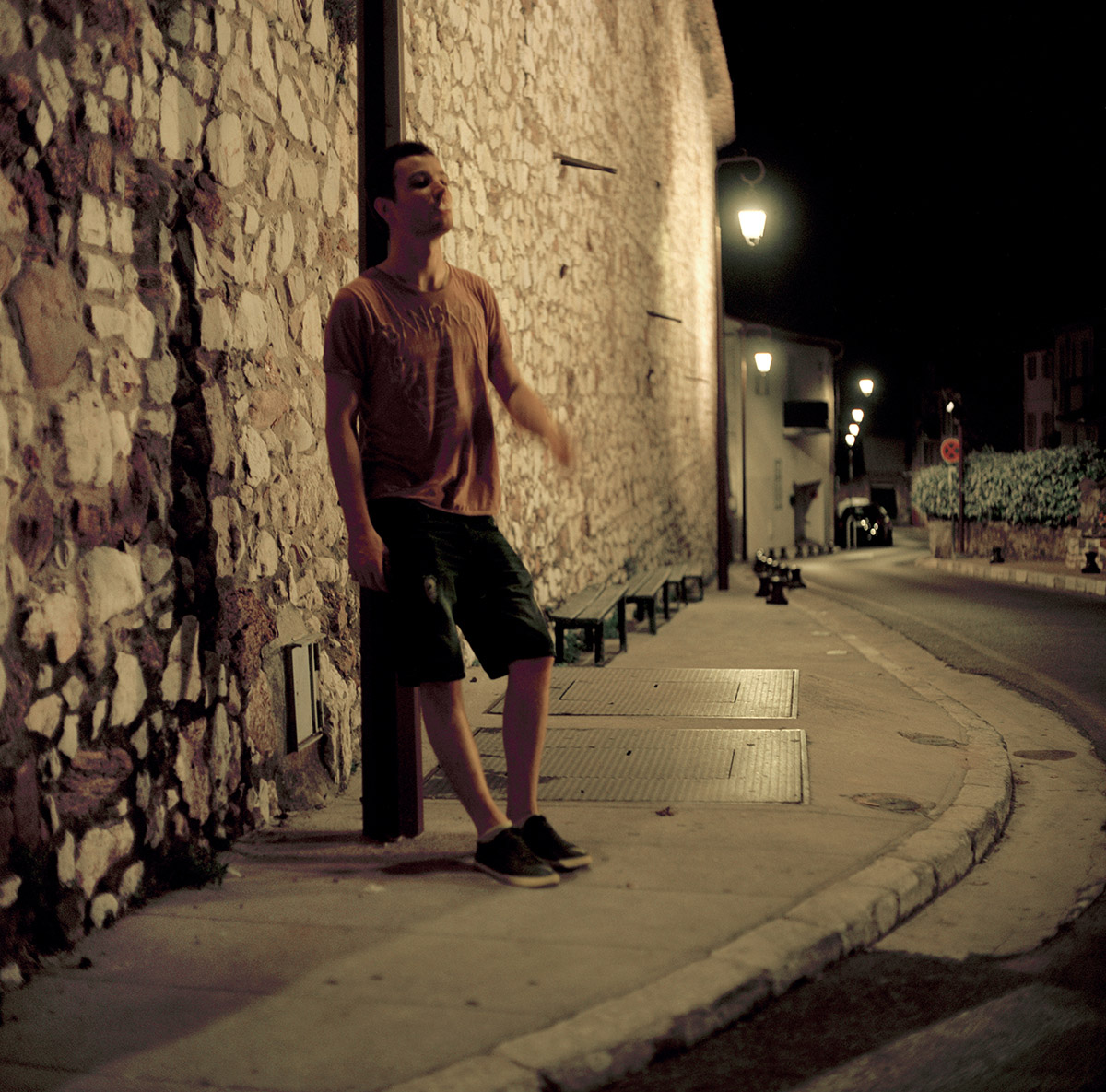
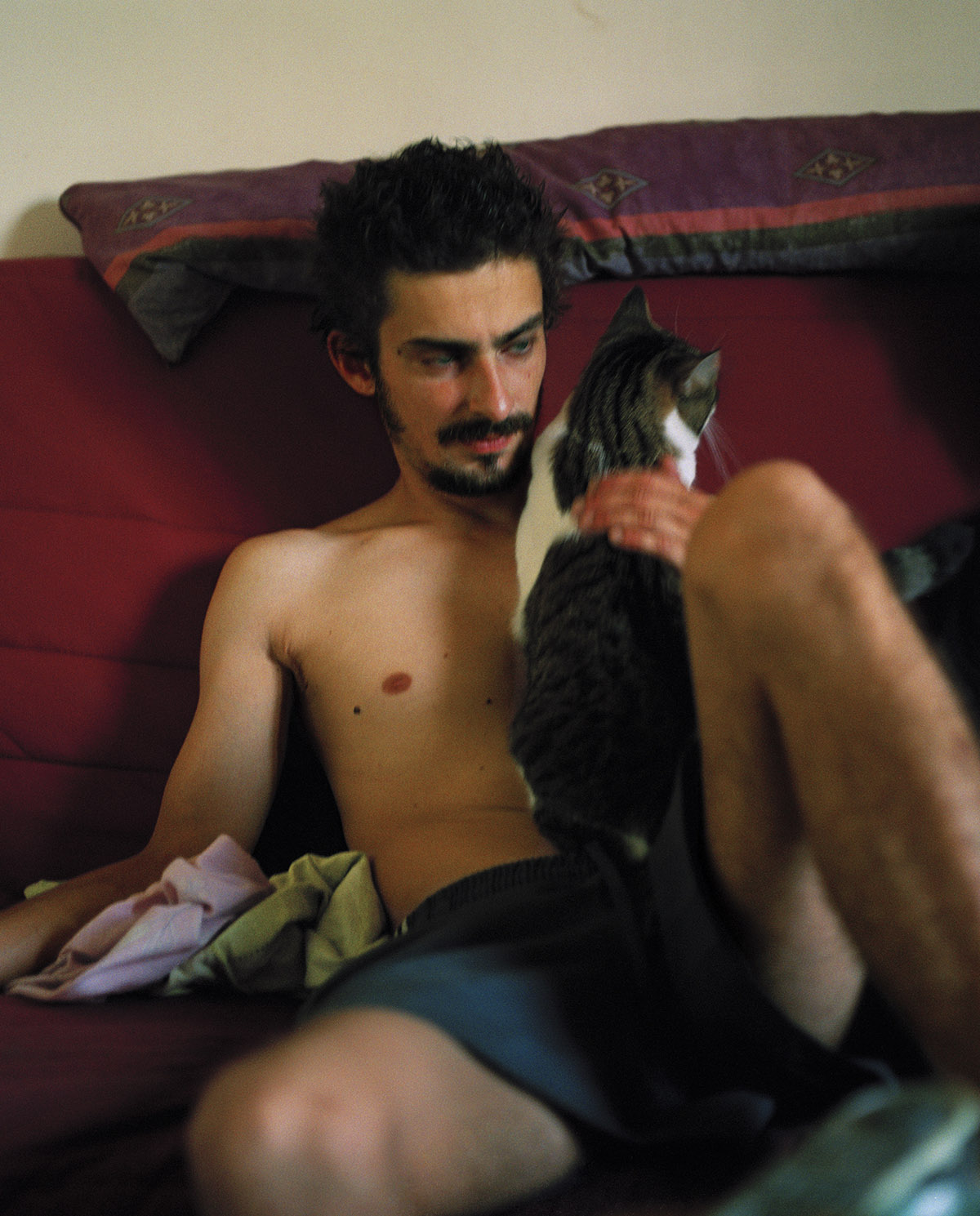
I have gone home to the south of France a few times throughout 2015. I originally intended to work on photographs of my family as I imagine I would remember them by. Instead, France was hit by several terrorist attacks, including one in the very spot that “Klein’s Blue” was shot. It both altered and highlighted the atmosphere that I sought to convey.
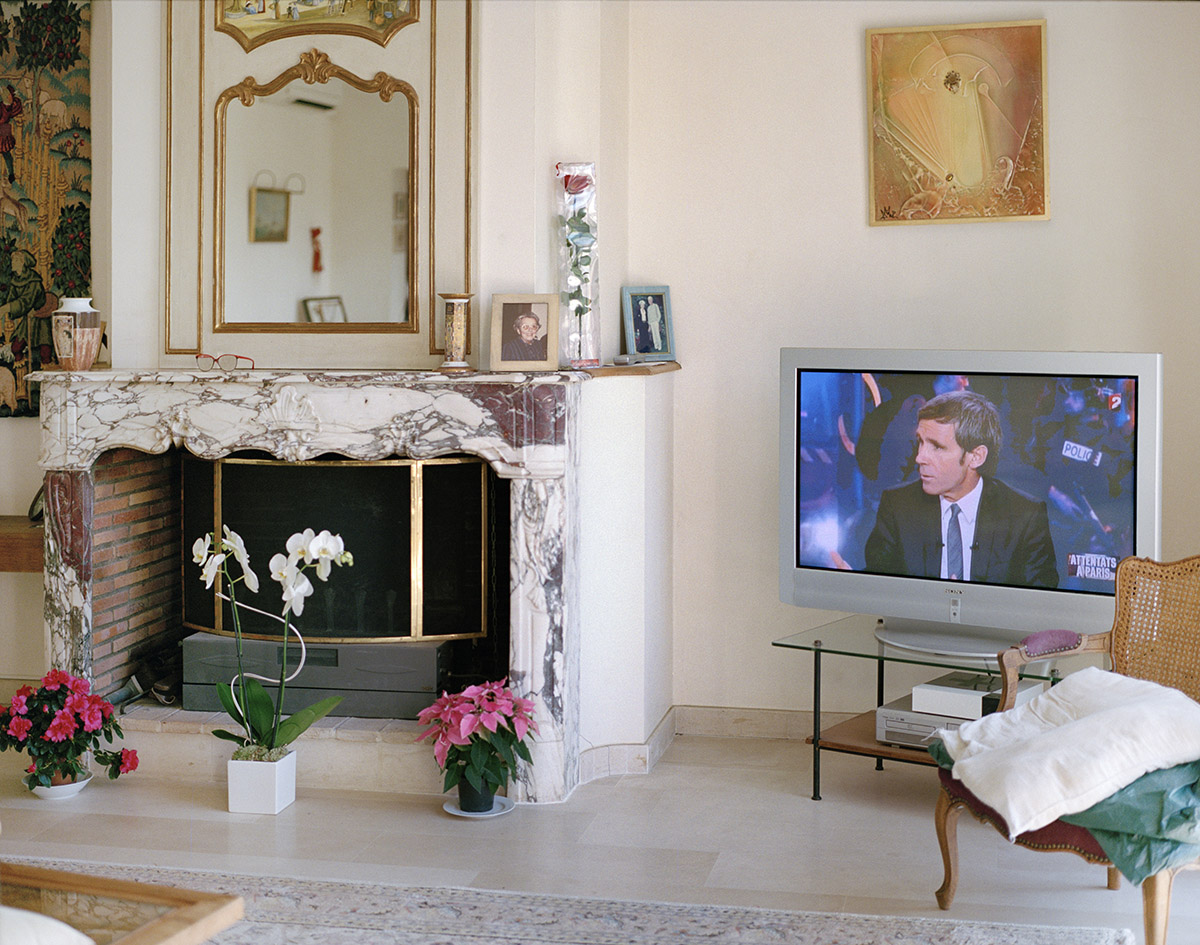
In the past 10 years, I’ve only gone back home to vacation, making each day an atypically languid one for me, albeit stereotypically so for the region. Indolence refers to that experience, but also to the stubborn idleness of French culture in the face of mounting tensions and violence due to race and religion-based discrimination. While the TV covered for three straight days the aftermaths of the Bataclan attacks, the house and the town remained casually quiet; sights of headscarves on the screen elicited more racists outbursts and romantic French nationalism glamorization. It doesn’t rain where we make rosé and the Front National likes to believe that terrorists can not be raised in Normandie.
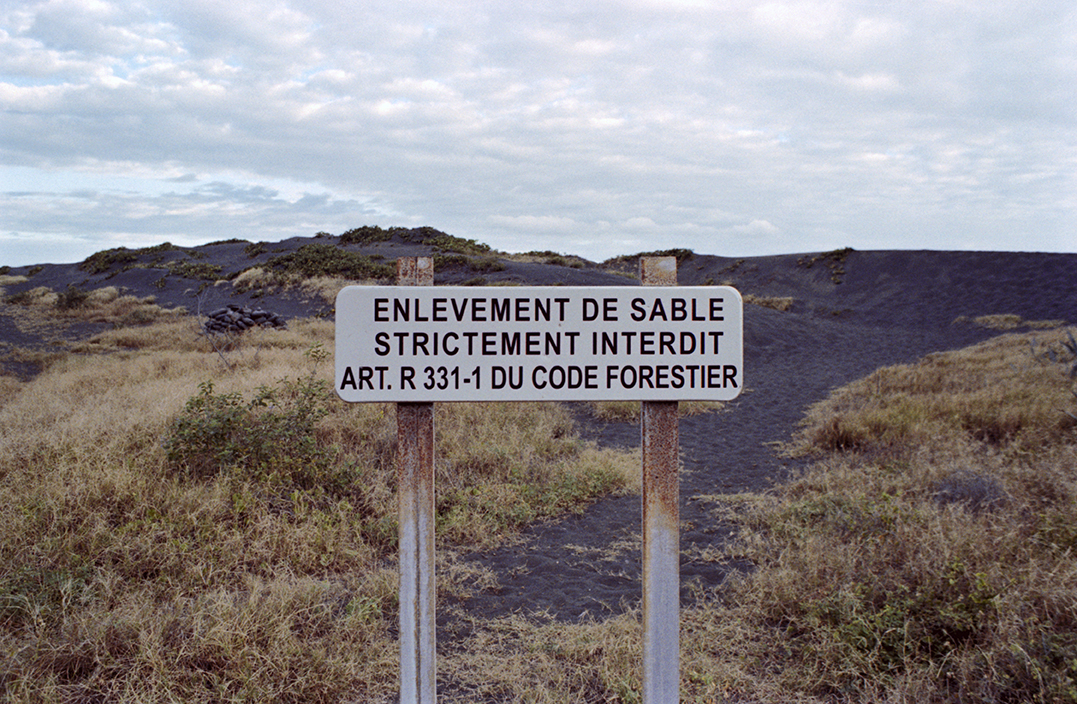
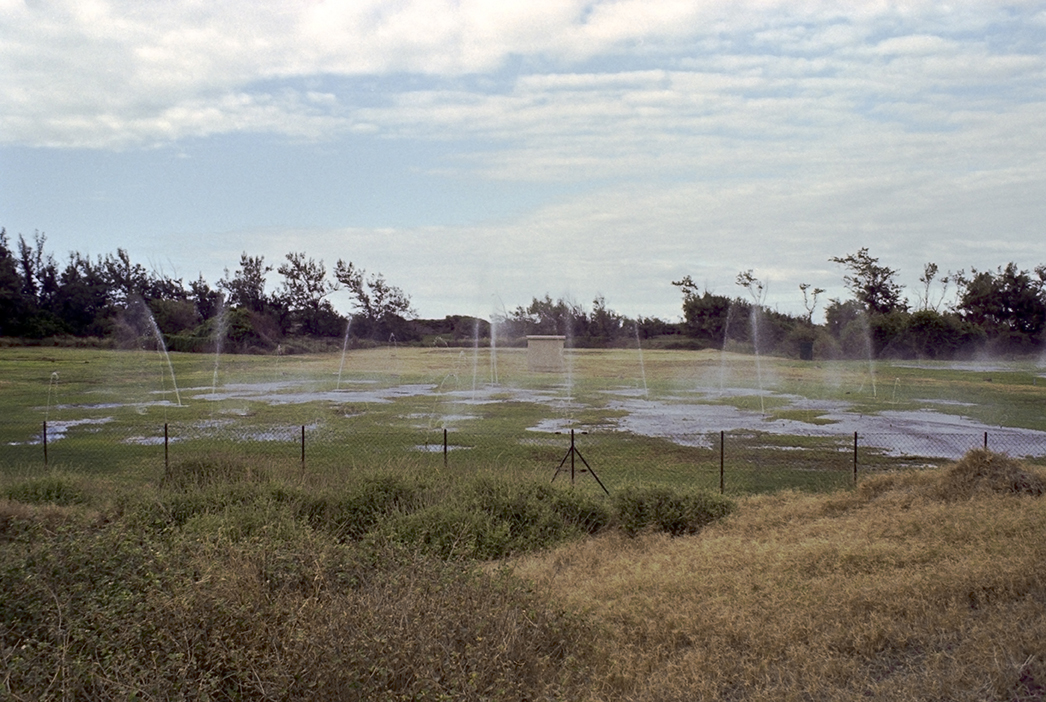
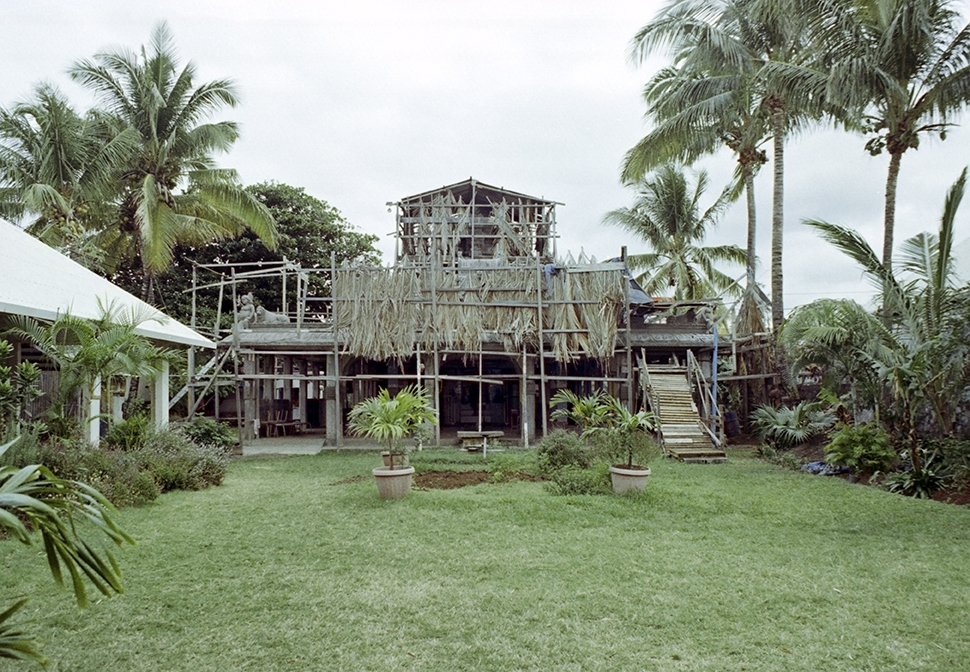
There are subtle clues in these photographs that undermine the seemingly idyllic southern France retreat, may they be personal or social issues. In their discovery lie the difference between the indolent and the thoughtful viewer.
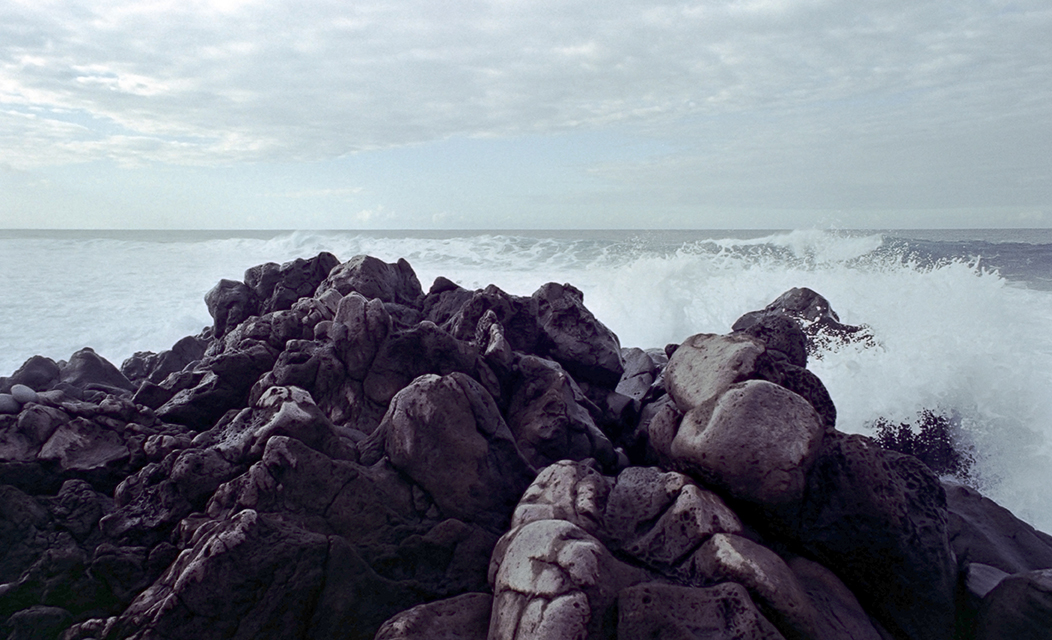
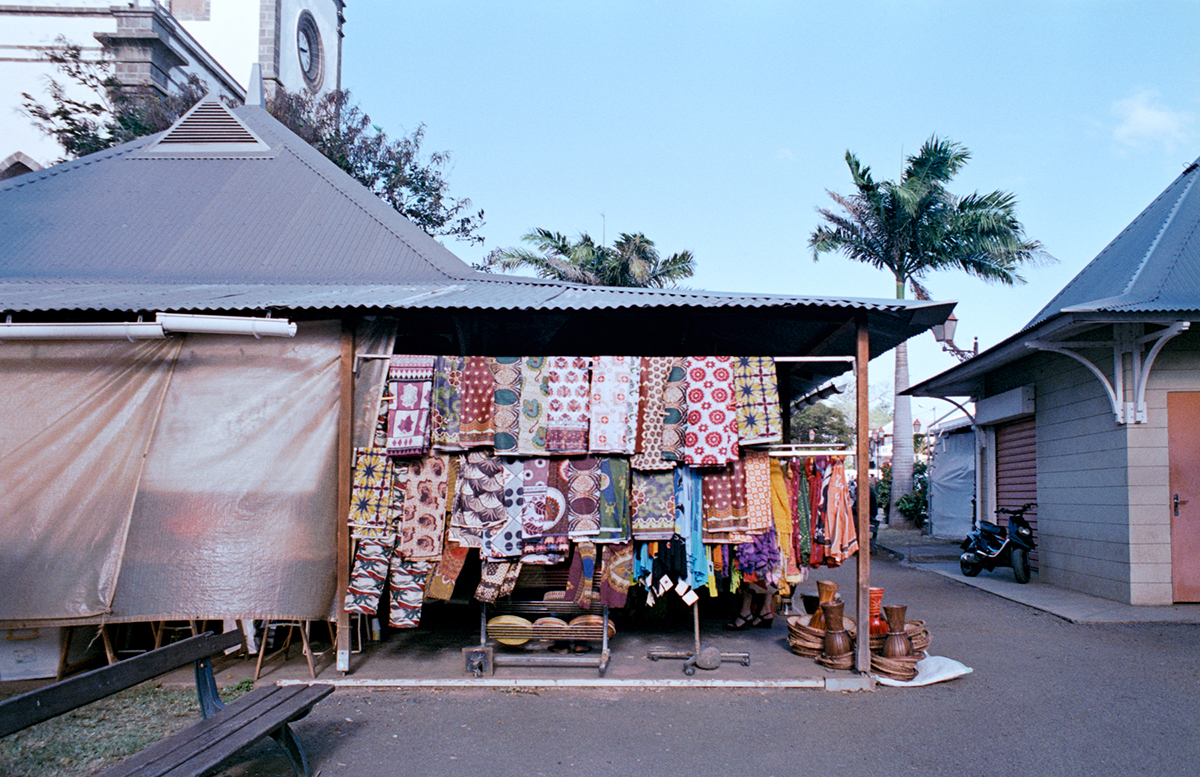
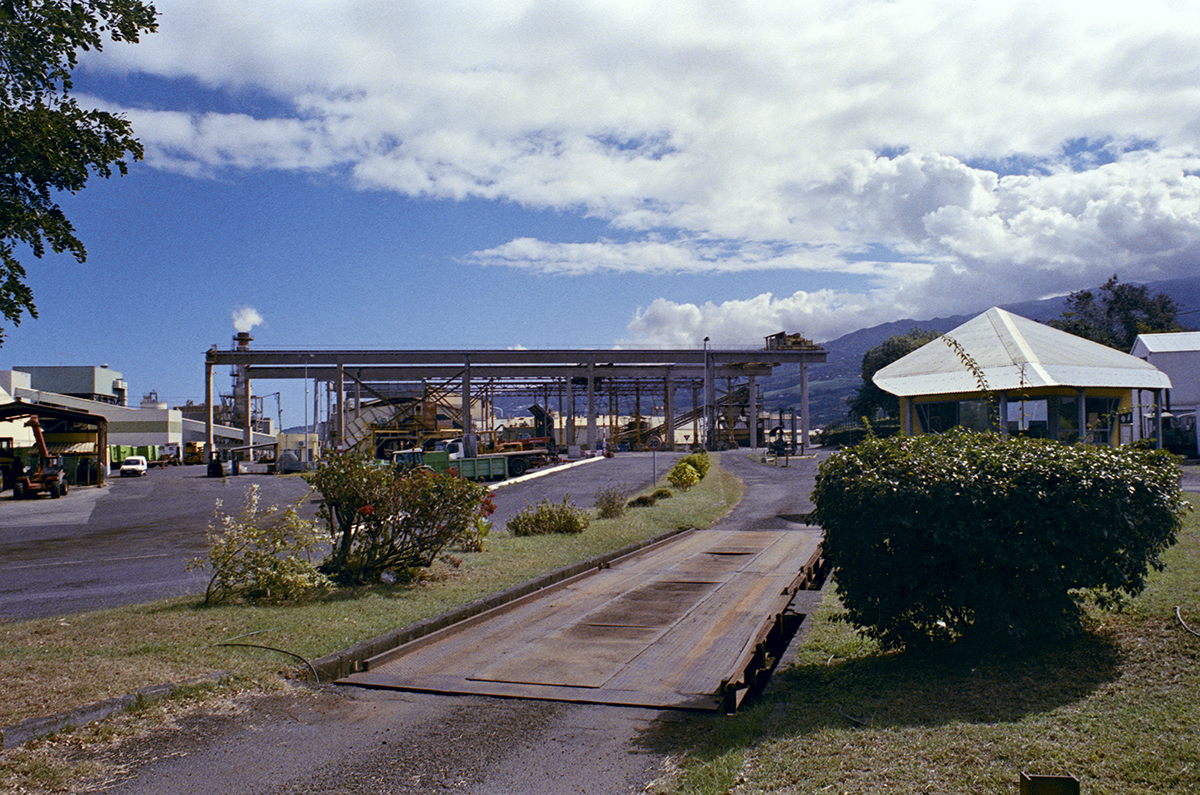
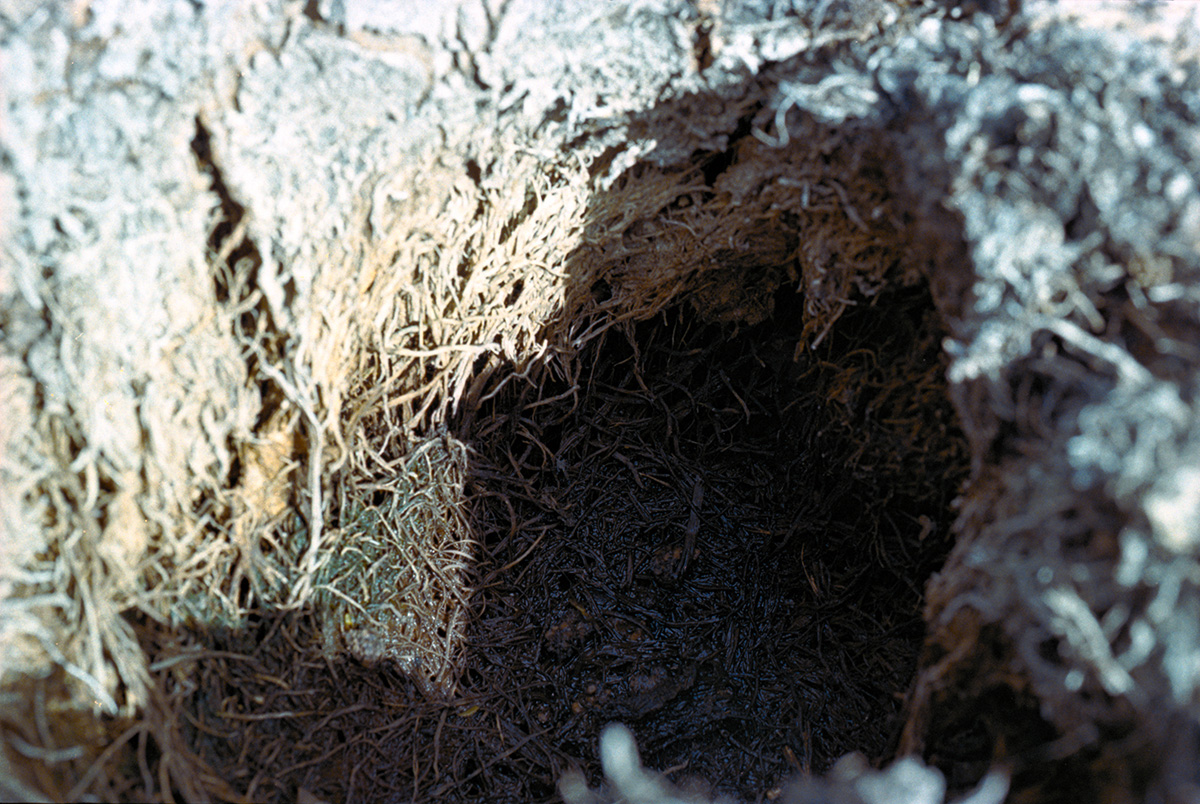
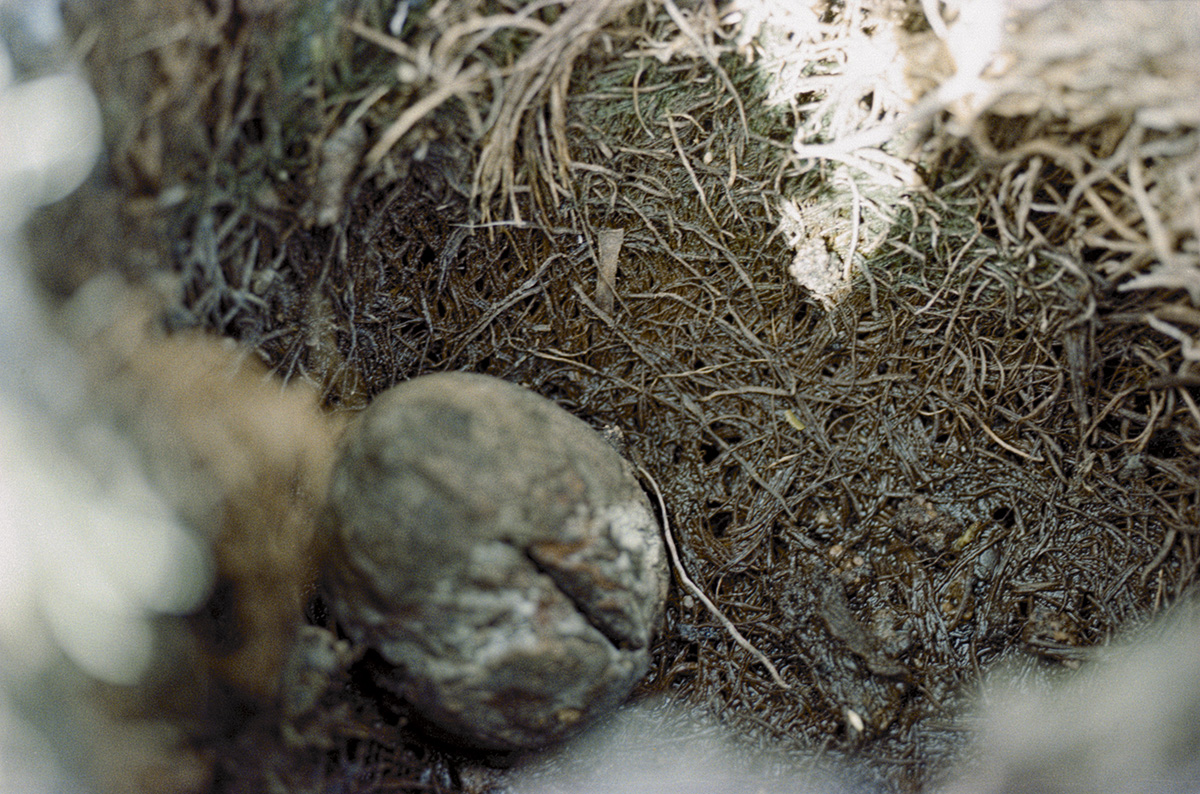
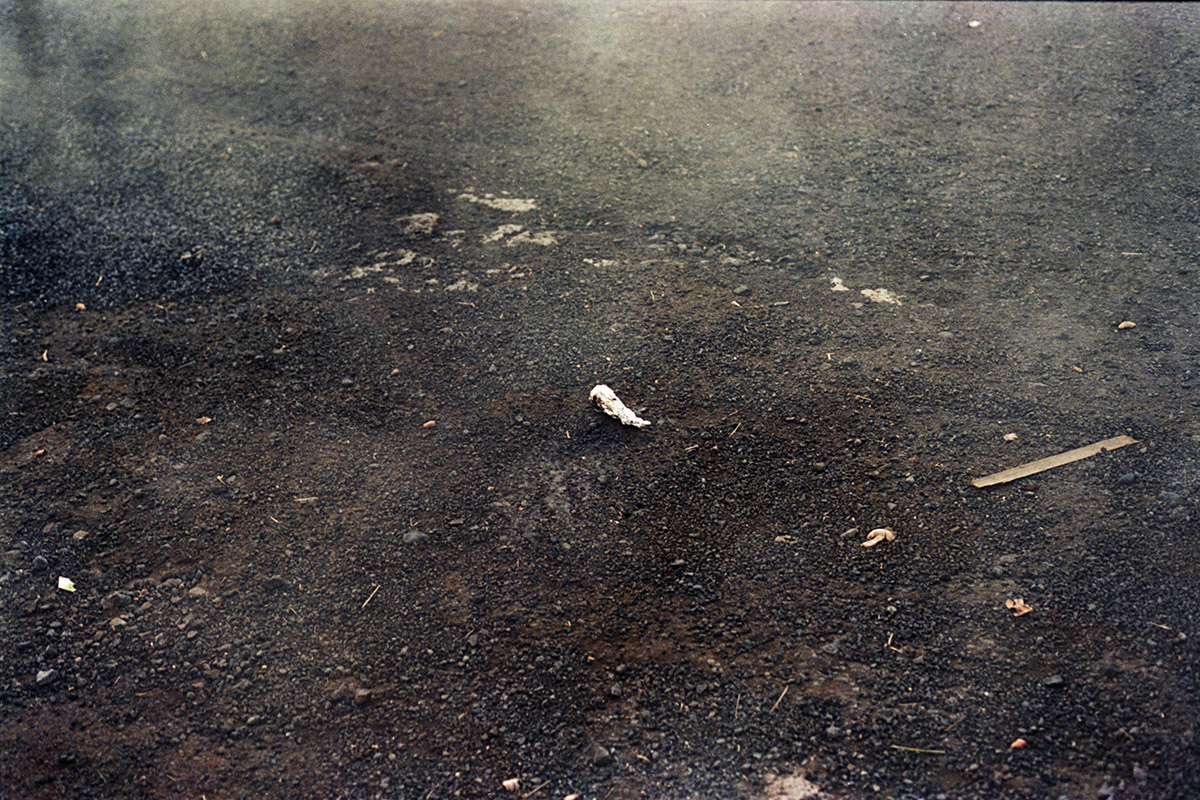
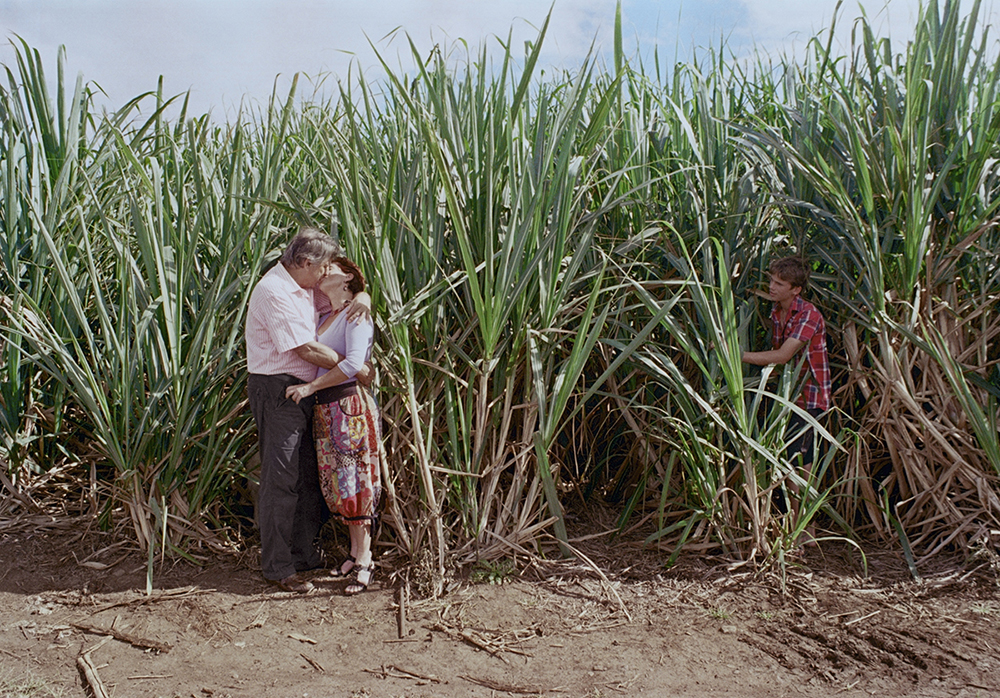
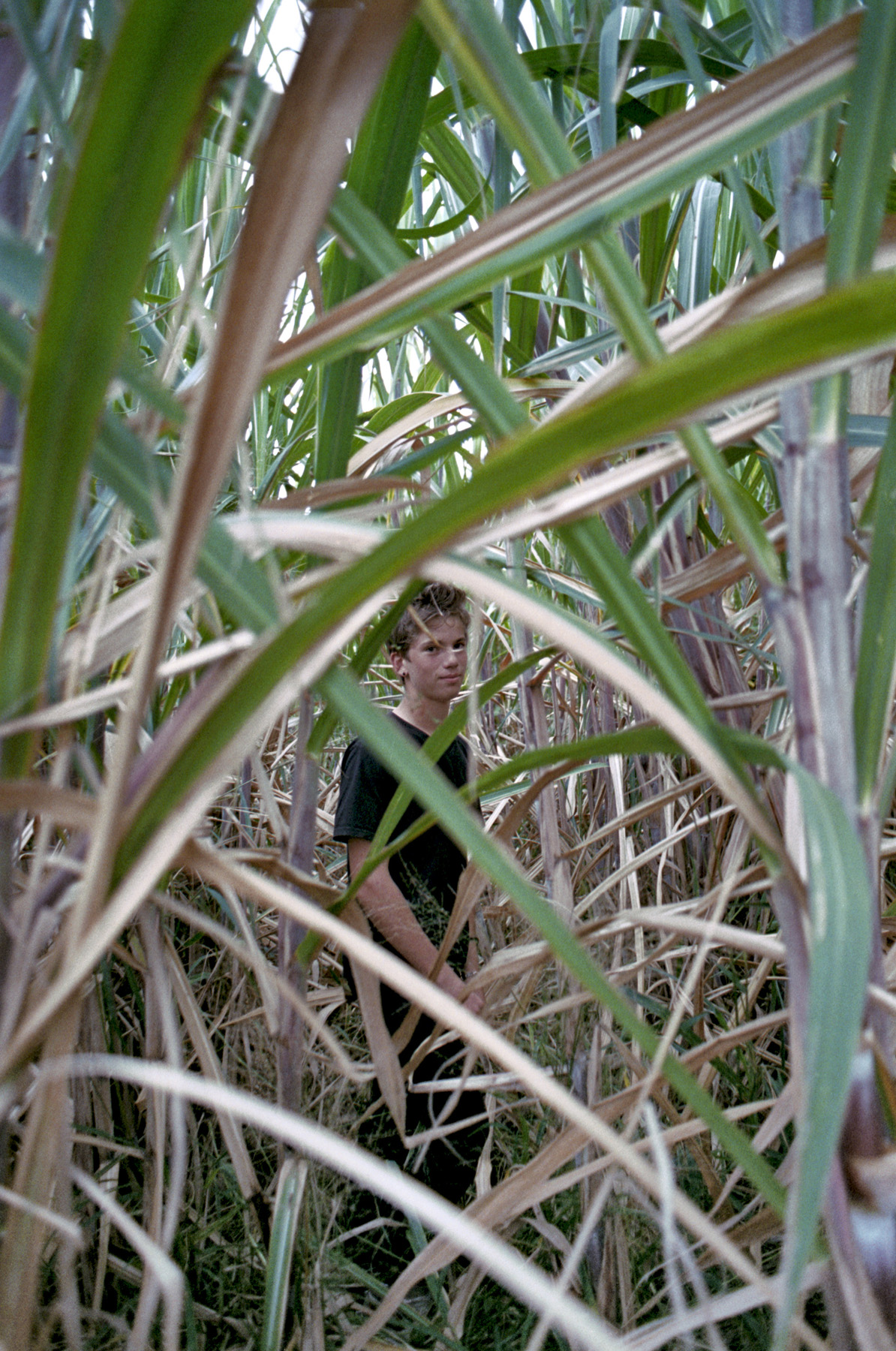
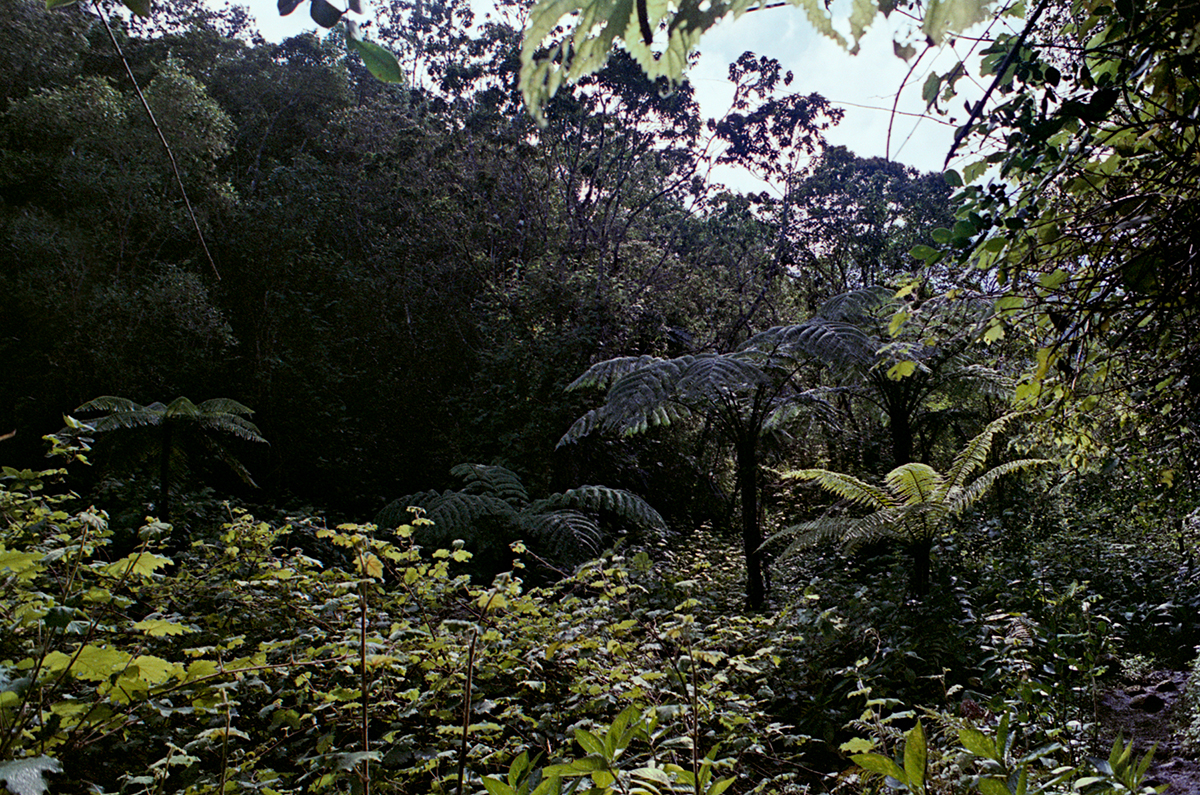
La Réunion is a small island in the Indian ocean situated between Madagascar and Mauritius, colonized by France during the 17th century. The island was completely uninhabited when it was settled. The locals are descended from slaves of the 17th century, indentured workers of the 19th century (all from Africa and Asia), colonial French, and are administrated by public employees from the métropole who migrate home at the end of their career. The main sources of income for the island come from the tourism trade and the export of sugar. It is a faraway rock in the middle of a stormy ocean without peninsulas or bays to break the horizon.
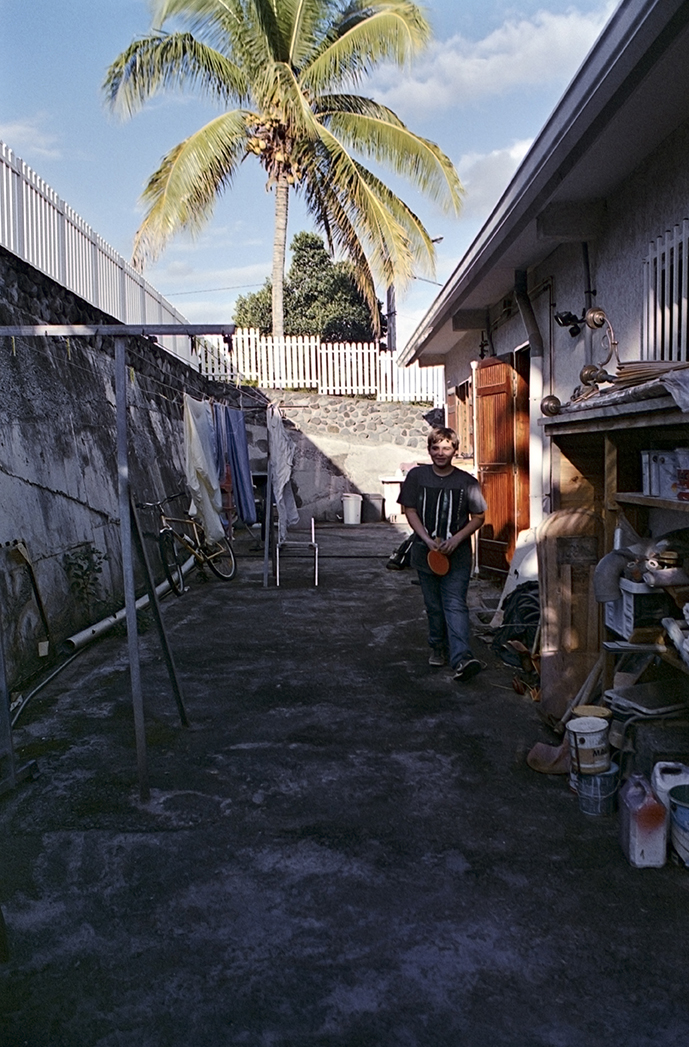
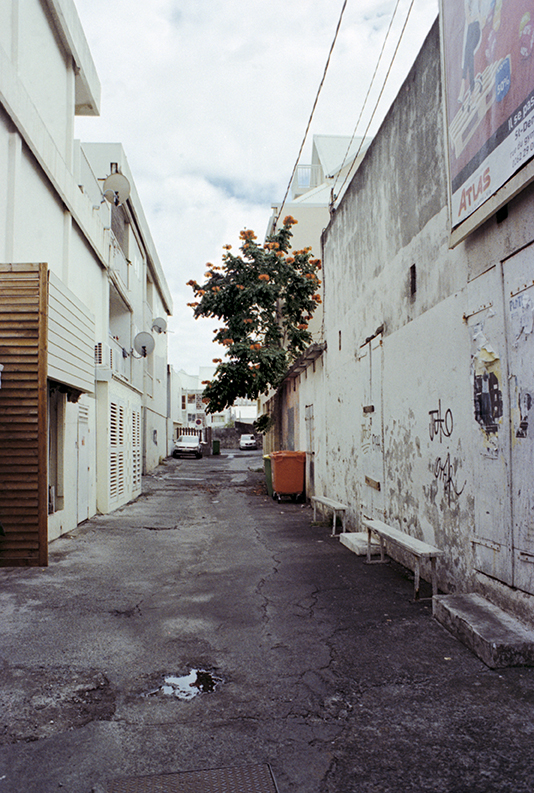
I was invited to visit by my mother in the summer of 2013. The following pictures are a selection of a wider body that I shot during that trip. For the purposes of this submission, I have arranged the images in five smaller groups. Each group engages in dialogues that seek to disrupt received representations of (that) place, and is in a conversation around history, identity and post-colonial theory. The singular story of la Réunion remains relevant in those discourses, particularly as a complement to the recent focus of international media on France’s domestic politics.
This project was a near cathartic expression of my inability to fall in love with the place or the idea that has been sold to me of it. In this documentary practice, I am concerned with what I call ‘narrative vernacular’: it permeates society through language, entrenched in habit, and circulates to orient people in the way they relate to themselves and their surrounds. Yet, there is still poetry in it all.